Technology
Do You Really Need a Dental Crown? What AMK Patients Should Know Before Treatment
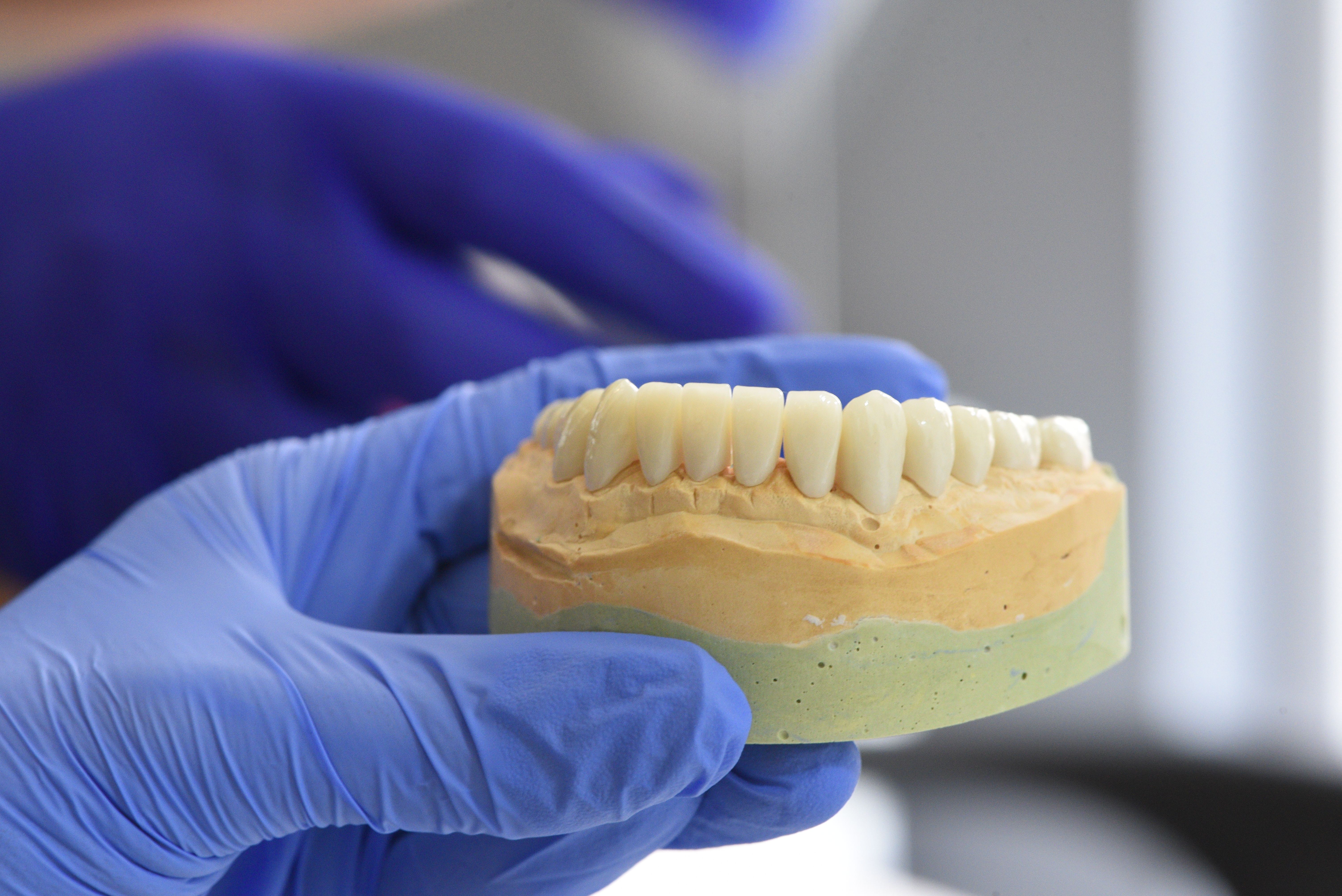
"My Dentist Said I Need a Crown. Is It Really Necessary?"
Few dental treatments create more questions than a dental crown.
Many patients leave their appointment wondering:
Why can't the tooth just be filled?
Is a dental crown really necessary?
Why does a crown cost more than a filling?
What happens if I delay treatment?
Can the tooth survive without a crown?
These are valid questions.
In fact, many patients searching for a dental crown in AMK aren't looking for treatment immediately. They're trying to understand whether the recommendation is genuinely necessary or if there are alternative options available.
The truth is that dentists do not recommend crowns for every damaged tooth.
However, there are situations where a filling is no longer enough to protect the tooth. In these cases, a dental crown in Singapore may be the best way to preserve the tooth and avoid more extensive treatment in the future.
Before deciding, it's important to understand when a crown is needed, what it does, and what could happen if treatment is delayed.
What Exactly Is a Dental Crown?
A dental crown is a custom-made restoration that completely covers the visible portion of a damaged tooth.
You can think of it as a protective cap designed to restore:
strength
shape
appearance
function
Unlike a filling, which repairs only a small portion of a tooth, a dental crown reinforces the entire structure.
This is why crowns are commonly recommended when a tooth has become too weak to support a conventional filling.
Why Dentists Don't Automatically Recommend Fillings
Many patients assume fillings are always the simpler and more affordable solution.
While fillings work very well for small to moderate cavities, they have limitations.
Imagine repairing a cracked wall.
A small crack may only need a patch.
But if half the wall is damaged, applying another patch won't solve the underlying problem.
The same principle applies to teeth.
When too much natural tooth structure has been lost due to:
large cavities
fractures
repeated fillings
severe wear
the remaining tooth may no longer be strong enough to withstand everyday chewing forces.
In these situations, placing another filling may actually increase the risk of the tooth breaking later.
Signs a Tooth May Need a Dental Crown Instead of a Filling
While only a dentist can make a proper diagnosis, certain situations frequently lead to crown recommendations.
Large Existing Fillings
One of the most common reasons patients need a dental crown in AMK is because they already have a very large filling.
Over time, large fillings can weaken the surrounding tooth structure.
Eventually, the risk of fracture becomes significantly higher.
Cracked Teeth
Small cracks often begin with symptoms such as:
discomfort while chewing
sensitivity to cold drinks
occasional sharp pain
Without protection, these cracks can gradually spread deeper into the tooth.
A crown helps hold the tooth together and reduce the risk of further damage.
Teeth After Root Canal Treatment
Many patients ask:
"Why do I need a crown after my root canal?"
The answer is simple.
A root canal removes infected tissue from inside the tooth, but the tooth itself often becomes more brittle afterward.
For this reason, dentists frequently recommend a dental crown in Singapore to protect the treated tooth from cracking.
Severely Worn Teeth
Years of grinding, clenching, or heavy chewing can wear teeth down significantly.
When a tooth loses too much structure, a crown may be required to rebuild function and protect what remains.
What Happens If You Delay a Recommended Crown?
This is often the most important question.
Many patients postpone treatment because the tooth isn't causing pain.
However, lack of pain does not always mean the tooth is healthy.
A weakened tooth may continue functioning normally until one day it fractures unexpectedly.
When this happens, treatment becomes more complicated.
A tooth that could have been restored with a crown may eventually require:
root canal treatment
extraction
implant replacement
In some cases, the tooth may no longer be salvageable.
This is why dentists often recommend addressing structural problems before they become emergencies.
Dental Crown vs Filling: What's the Difference?
One of the biggest sources of confusion is understanding when a filling is sufficient and when a crown becomes necessary.
Filling | Dental Crown |
Repairs part of a tooth | Covers the entire tooth |
Suitable for smaller defects | Suitable for larger damage |
Preserves more tooth initially | Provides greater protection |
Less expensive initially | Stronger long-term solution for weakened teeth |
Neither option is automatically better.
The right choice depends on how much healthy tooth structure remains.
Types of Dental Crowns Available in Singapore
Patients considering a dental crown in Singapore often have several options available.
Ceramic Crowns
Popular for front teeth because they closely mimic natural enamel.
Benefits include:
natural appearance
excellent aesthetics
metal-free construction
Zirconia Crowns
Increasingly popular because they offer both strength and aesthetics.
Many dentists recommend zirconia crowns for back teeth due to their durability.
Porcelain-Fused-to-Metal Crowns
These combine strength with a tooth-coloured outer layer.
They have been used successfully for many years and remain a common option.
Understanding Crown and Bridge Treatment
Patients researching crown and bridge Singapore treatment often assume the two are identical.
They are related but serve different purposes.
A crown restores an existing tooth.
A bridge replaces one or more missing teeth by anchoring onto neighbouring teeth.
Your dentist will recommend the most suitable option depending on your situation.
How Much Does a Dental Crown Cost in Singapore?
One of the most common questions patients ask is:
"How much does a dental crown cost?"
The cost of a dental crown in Singapore depends on factors such as:
material used
complexity of treatment
tooth location
whether additional treatment is required
Typical crown costs in Singapore often range from:
$800 to $2,000+ per tooth
Patients searching for an affordable dental crown in Singapore should focus on overall value rather than price alone.
A well-made crown can last many years when properly maintained.
How Long Does a Dental Crown Last?
A common concern among patients is longevity.
While no restoration lasts forever, many crowns can last:
10 years
15 years
or even longer
with proper care.
Factors affecting lifespan include:
oral hygiene
grinding habits
crown material
regular dental reviews
Good maintenance often makes a significant difference.
Questions to Ask Before Proceeding With a Crown
Before agreeing to treatment, patients should feel comfortable asking:
Why is a crown being recommended?
Is a filling still an option?
What happens if I wait?
Which crown material is most suitable?
How long is the crown expected to last?
A good treatment plan should always be clearly explained.
Final Thoughts
Not every damaged tooth requires a crown.
However, when a tooth has become structurally weak, delaying treatment can sometimes lead to more extensive and expensive problems later.
The goal of a dental crown in AMK is not simply to repair a tooth.
It is to preserve what remains of your natural tooth and help prevent future complications.
If you've recently been told you need a crown and you're unsure whether it's necessary, discussing your options with a dentist can help you make a more informed decision based on your long-term oral health.
Frequently Asked Questions
Do I really need a dental crown after a root canal?
In many cases, yes. Teeth that have undergone root canal treatment are often more fragile and may benefit from crown protection.
Can I replace a crown with a filling?
This depends on how much healthy tooth structure remains. Some teeth can be restored with fillings, while others require a crown for long-term stability.
How long does a dental crown last?
Many crowns last 10 to 15 years or longer with proper care.
Is a dental crown painful?
The procedure is typically performed under local anaesthesia and is generally well tolerated by patients.
What is the difference between a crown and bridge?
A crown restores a damaged tooth, while a bridge replaces one or more missing teeth.


