Aftercare
Receding Gums in Singapore: Why It Happens, Can They Grow Back & Treatment at UDS Yishun
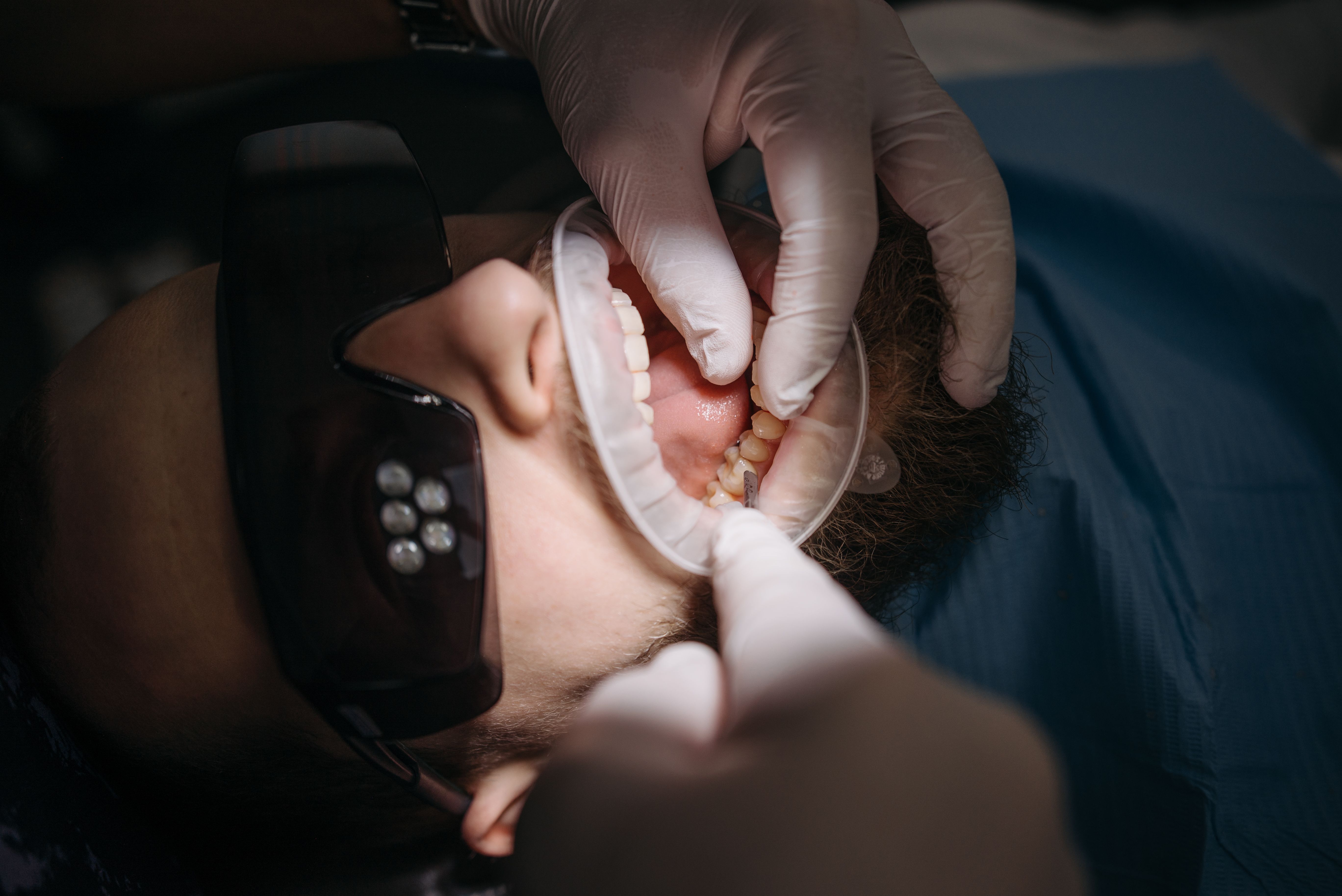
Your teeth look longer than they used to. There is a visible gap forming between your teeth and your gums. You run your tongue along the gum line and feel a notch where it used to be smooth.
Most patients who notice this assume it is a normal part of ageing, something to accept rather than treat. It is not. Gum recession is a clinical condition with identifiable causes, and left unaddressed, it progresses.
If you are searching for gum recession treatment in Singapore or noticing the signs of receding gums for the first time, this guide explains exactly what is happening, why gums recede, the honest answer on whether they can grow back, and what treatment at UDS Yishun involves.
What Is Gum Recession?
Gum recession is the process by which the gum tissue surrounding a tooth pulls back or wears away, exposing more of the tooth, and in significant cases, the root surface beneath the crown.
The root of a tooth has no enamel covering. Where the crown of a tooth is protected by the hardest substance in the body, the root is covered only by a thinner, softer material called cementum. When the gum recedes and the root becomes exposed, the tooth is significantly more vulnerable, to sensitivity, to decay, and to the gradual loss of the supporting structures that keep it in place.
This is why gum recession matters beyond aesthetics. It is not just a cosmetic concern. It is a structural one.
How Common Is Gum Recession in Singapore?
Gum recession is more prevalent than most patients realise, and it affects adults across all age groups, not just older patients. Studies suggest that some degree of gum recession affects the majority of adults over 40, but it is increasingly seen in younger patients, largely due to aggressive brushing habits and rising rates of bruxism (teeth grinding).
Because recession develops gradually and is often painless in its early stages, many patients are unaware of it until a dentist points it out during a routine check-up, or until sensitivity at the gum line becomes noticeable.
Signs Your Gums May Be Receding
Teeth that appear longer than they used to or longer than the teeth around them
A visible dark triangle forming at the gum line between teeth
A notch or indentation at the gum margin when you run your tongue across the tooth
Sensitivity at the gum line, particularly to cold, cold air, and toothbrushing
Roots of teeth becoming visible
Increased spacing between teeth that was not there before
Gums that look uneven across different teeth
Any of these signs warrant a gum assessment at your next dental appointment. Caught early, recession is manageable. Left alone, it progresses and the treatment required becomes more involved.
5 Causes of Receding Gums
Understanding the cause of your recession is essential, because treatment without addressing the underlying cause will not hold long-term.
1. Aggressive Brushing, The Most Common and Most Preventable Cause
This is the cause most patients are surprised by. Brushing harder does not clean teeth better. It wears away gum tissue.
Brushing with a hard-bristled toothbrush, applying excessive pressure, or using a scrubbing back-and-forth motion rather than gentle circular strokes gradually erodes the gum tissue at the margin, particularly on the outer surfaces of premolars and canines, which is where recession from brushing most commonly appears.
The distinctive pattern: recession that follows the profile of the tooth (matching the shape of the bristle path) and appears on the outer surface of multiple teeth, often more pronounced on the side of the dominant brushing hand.
The fix: switch to a soft-bristled toothbrush, reduce pressure significantly, and use a circular or rolling motion. An electric toothbrush with a pressure sensor is one of the most effective tools for correcting brushing technique, as it alerts you when you are pressing too hard.
2. Gum Disease (Periodontitis)
Gum disease is the leading cause of gum recession in adults, and the most serious, because the damage extends beyond the gum tissue itself to the bone supporting the teeth.
When plaque and tartar accumulate along and beneath the gumline, the bacteria they harbour trigger an inflammatory response in the gum tissue. Over time, this inflammation destroys the gum tissue, the periodontal ligament, and the bone that anchors the tooth in the jaw. As bone is lost, the gum level drops with it, producing recession that reflects deeper structural destruction rather than surface tissue loss alone.
Key distinction: recession caused by gum disease is often accompanied by other symptoms, bleeding gums, bad breath, pockets between teeth and gums, and in advanced cases, loose teeth. If your recession is accompanied by any of these, the underlying gum disease must be treated first and completely before any other approach to the recession itself.
3. Bruxism (Teeth Grinding and Clenching)
Bruxism contributes to gum recession through two mechanisms. First, the excessive lateral forces generated during grinding push teeth forward and sideways in the bone, thin gum tissue at the front of the socket cannot withstand this sustained pressure and recedes. Second, the force overloads the periodontal ligament and surrounding bone, accelerating bone loss that leads to recession.
Patients with bruxism-related recession typically show wear patterns on the biting surfaces of teeth alongside gum recession, the combination of flattened cusps and notching at the gum line is characteristic.
A custom mouthguard is the primary intervention to prevent further progression. It does not restore tissue that has already been lost, but it stops the mechanical forces that are driving the recession from continuing.
4. Tooth Misalignment
Teeth that are not properly aligned within the jaw can sit outside the bone envelope, particularly lower front teeth that are crowded or pushed forward of their ideal position. When a tooth sits outside the bone, the thin gum tissue covering its root has no bony support behind it. This tissue is highly vulnerable to recession from even normal brushing forces.
In these cases, orthodontic treatment, braces or Invisalign, to move the tooth into a better position within the bone can reduce recession risk and in some cases allow gum tissue to recover partially once bony support is restored.
5. Genetics and Thin Gum Tissue
Some patients are simply born with a thin gum biotype, a naturally thin, delicate gum tissue that is more susceptible to recession than the thicker, more resilient tissue others have. Patients with thin gum tissue may experience recession even with correct brushing technique and no identifiable risk factors.
This does not mean recession is inevitable, but it does mean these patients benefit from more frequent monitoring and early intervention when recession begins, rather than a wait-and-see approach.
The Honest Answer: Can Receding Gums Grow Back?
This is the most common question patients ask, and it deserves a straight answer.
Gum tissue that has receded does not regenerate on its own. Unlike some tissues in the body, gum tissue does not have the capacity to regrow once it has been lost. The recession you have today will not reverse without clinical intervention.
This is important for two reasons. First, it means that waiting and hoping will not help, it will only allow the recession to progress further. Second, it means that the goal of early treatment is to stop progression, not reverse what has already occurred. The earlier recession is identified and the cause is addressed, the less tissue is ultimately lost.
Gum grafting procedures can restore lost gum tissue, but they are surgical interventions that carry their own recovery period and cost. Preventing the need for grafting through early management is always preferable to treating advanced recession later.
Treatment Options for Receding Gums
Treatment depends on the severity of the recession and its underlying cause.
Step 1, Treating the Cause
No recession treatment will hold long-term unless the underlying cause is addressed first. This means:
Correcting brushing technique and switching to a soft-bristled toothbrush
Treating active gum disease with professional scaling and polishing or deeper scaling and root planing
Fitting a custom mouthguard for patients with bruxism
Considering orthodontic treatment if tooth position is a contributing factor
Step 2, Managing Symptoms
For mild recession where the exposed root is causing sensitivity, desensitising treatments can provide significant relief:
Professional fluoride varnish applied at your scaling and polishing appointment
Desensitising bonding agents applied to the exposed root surface
Prescribed high-fluoride toothpaste for home use
These do not restore the lost gum tissue but significantly reduce the sensitivity associated with exposed roots.
Step 3, Composite Resin Restoration
For moderate recession where the exposed root is both sensitive and visually noticeable, tooth-coloured composite resin can be bonded to the exposed root surface. This covers the exposed area, reduces sensitivity, and improves appearance, all in a single appointment without surgery.
It is not a permanent solution in the way gum grafting is, composite can chip or wear over time, but for many patients it provides an effective, affordable, and non-surgical option.
Step 4, Gum Grafting (For Significant Recession)
For more advanced recession, particularly where the root is significantly exposed, the recession is progressing despite addressing the cause, or the patient is planning dental implant treatment in the area, a gum graft procedure may be recommended.
Gum grafting involves taking a small amount of tissue (from the patient's own palate, or using a processed donor tissue) and attaching it to the recessed area to restore gum coverage. The procedure is performed under local anaesthesia. Recovery involves mild soreness for one to two weeks and dietary restrictions during healing.
Your dentist at UDS Yishun will assess whether grafting is indicated at your consultation and discuss the procedure, recovery, and cost in full before any decision is made.
Gum Recession and Dental Implants
One area where gum recession has particular clinical significance is in patients planning dental implants.
Successful implant placement requires adequate bone and gum tissue at the implant site. Significant gum recession, particularly when accompanied by bone loss from gum disease, can affect both the aesthetic outcome of an implant and the long-term stability of the surrounding tissue. In these cases, gum grafting before or alongside implant placement is often recommended.
If you are planning implant treatment and have existing recession, your dentist will assess the tissue volume at the planned implant site as part of your pre-treatment workup.
Gum Recession Treatment at UDS Yishun: What to Expect
At UDS Yishun, assessment of gum recession involves a thorough periodontal charting, measuring the depth of pockets between teeth and gums at multiple points around each tooth, and recording the level of gum attachment at each site. This gives your dentist a precise map of where recession exists, how severe it is, and whether there is active inflammation or bone loss driving it.
From this assessment, a clear treatment plan is presented, addressing the cause first, managing symptoms where needed, and recommending surgical intervention only where clinically warranted.
UDS Yishun is easily accessible from Yishun MRT and serves patients from Yishun, Sembawang, Khatib, Woodlands, Admiralty, and the wider North region. Our UDS AMK clinic serves patients from Ang Mo Kio, Bishan, Hougang, Yio Chu Kang, and surrounding areas.
Both clinics accept CHAS (blue, orange, Merdeka Generation, and Pioneer Generation cards). Scaling and polishing and gum treatment are CHAS-covered for eligible cardholders. Visit our Subsidies & Insurance page for details on what applies to your treatment.
Frequently Asked Questions
Q: Do receding gums grow back on their own?
A: No. Gum tissue that has receded does not regenerate naturally. This is one of the most important things to understand about gum recession, waiting does not help, it only allows further progression. The goal of early treatment is to stop the recession from advancing. Gum grafting can restore lost tissue surgically, but prevention and early management are always preferable.
Q: Is gum recession painful?
A: Gum recession itself is often painless, which is why many patients do not notice it until it is pointed out. The most common symptom is sensitivity at the gum line, particularly to cold, cold air, or brushing at the gum margin. In more advanced cases where the root is significantly exposed, the tooth can also be more vulnerable to decay and structural damage. Sensitivity at the gum line that is getting worse over time warrants assessment.
Q: How is gum recession different from gum disease?
A: Gum disease is a condition, an infection of the gum tissue caused by bacterial build-up. Gum recession is a consequence, the physical pulling back of gum tissue. Gum disease is one of the most common causes of recession, but not the only one. Recession can also occur from aggressive brushing, bruxism, or thin gum tissue without any active infection. The distinction matters for treatment: if gum disease is present, it must be treated first before addressing the recession itself.
Q: Can I prevent gum recession from getting worse?
A: Yes, in most cases. Once the underlying cause is identified and addressed, whether that is correcting brushing technique, treating gum disease, fitting a mouthguard for bruxism, or considering orthodontic treatment for misaligned teeth, progression can be stopped. The gum tissue that has already receded will not return on its own, but no further tissue needs to be lost with proper management. Regular dental check-ups and professional cleans are essential to monitor the situation over time.
Q: Is gum grafting painful?
A: Gum grafting is performed under local anaesthesia, so you feel no pain during the procedure. Mild to moderate soreness for one to two weeks after the procedure is expected and managed with prescribed pain relief. Soft foods are recommended during the healing period. Most patients find the recovery more manageable than they anticipated. Your dentist at UDS Yishun will walk you through exactly what to expect before the procedure begins.
Q: How much does gum recession treatment cost in Singapore?
A: The cost depends on the treatment required. Professional scaling and polishing (essential for patients with gum-disease-related recession) is covered under CHAS for eligible cardholders. Composite resin to cover an exposed root surface is priced per tooth. Gum grafting involves surgical fees that your dentist will detail at your consultation. UDS provides a full cost breakdown before any treatment begins, no surprises. Visit our Subsidies & Insurance page to understand what CHAS covers for your specific card type.
Book a Gum Recession Assessment at UDS Yishun
Receding gums do not reverse on their own and they do not stay stable without intervention. The earlier the cause is identified and managed, the less tissue is lost and the less complex the treatment required.
Our dentists at UDS Yishun will assess your gum levels precisely, identify what is driving the recession, and recommend a clear treatment plan, starting with the most conservative approach appropriate for your situation.


